First time clients receive 20% off with Promo Code First20
The Benefits of Guided Meditation
At The Tranquil Presence Wellness we design our guided meditation workshops for anyone, from beginning meditators to those that have substantial experience. This article discusses the significant benefits one can experience through this type of guided meditation.
Fred P. Ernani, PhD
5/2/20263 min read
The Power of Guided Meditation: Unlocking Stress Relief Through Visualization and Metaphor
How Guided Meditation Supports Beginners and Boosts Well-Being
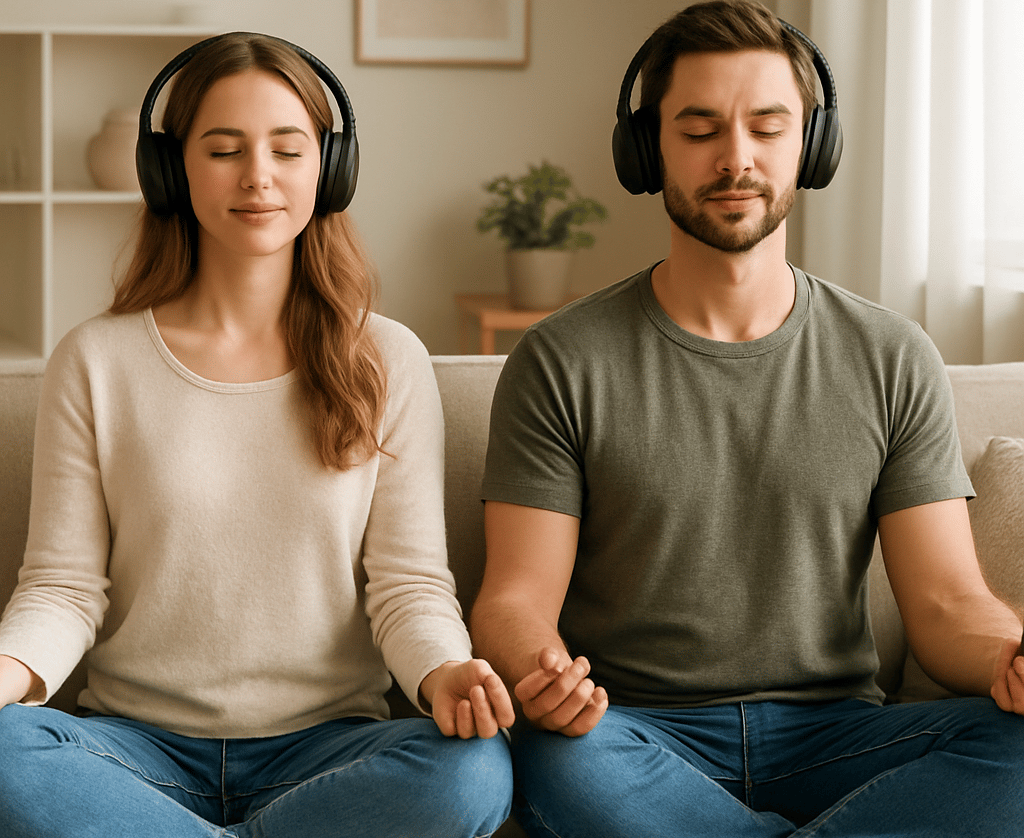
Guided meditation has swiftly become a favorite among wellness seekers, offering a gentle introduction to mindfulness and relaxation for people of all backgrounds. Unlike traditional solo meditation, guided sessions are led by an instructor or recording, steering participants through calming imagery, soothing metaphors, and structured breathing exercises. This approach is particularly helpful for those who find it challenging to meditate independently, whether due to an overactive mind or lack of experience.
The Challenge of Meditating Alone
Many individuals set out to meditate only to discover their minds racing with thoughts, worries, or distractions. This mental chatter can make sitting in silence feel overwhelming and even discouraging. Beginners often struggle to know where to start, leading to frustration and giving up before the practice yields benefits. Guided meditation offers a supportive structure, making it easier to settle in and focus by providing gentle prompts and direction (Harvard Health Publishing, 2022).
Guided Meditation Explained
Guided meditation differs from solo practice in that it relies on a facilitator—either live or via audio/video recording—to lead participants through a series of instructions. These instructions often include breathwork, body scanning, and visualization, helping anchor attention and minimize distractions. This structured approach helps calm the mind and encourages relaxation, making meditation more accessible for everyone (Psychology Today, 2020).
Visualization in Meditation
One of the key techniques in guided meditation is visualization. Instructors may invite participants to imagine peaceful settings, such as a serene beach or lush forest, engaging the senses to create a vivid mental experience. Visualization not only aids focus but also triggers the body's relaxation response, reducing stress and lowering anxiety levels (National Institutes of Health, 2014). This process makes it easier for participants to let go of tension and immerse themselves in the present moment.
Metaphor Building: Deepening the Meditation Experience
Metaphors are a powerful tool in guided meditation, transforming abstract concepts into relatable images. For example, an instructor might use the metaphor of "waves washing away worries" to help participants release negative thoughts. By coupling symbolic language with visualization, guided meditation deepens emotional engagement and fosters meaningful insights, making stress management more effective (Shonin, Van Gordon & Griffiths, 2014).
Stress Management Benefits
Research shows that guided meditation significantly reduces stress levels, especially when combined with visualization and metaphor building. Studies highlight improvements in mood, decreased cortisol levels, and enhanced resilience among regular practitioners (Goyal et al., 2014). Guided meditation provides practical strategies for coping with everyday stress, offering both immediate relief and long-term benefits (Smith, 2020).
Enhancing Overall Well-Being
Beyond stress reduction, guided meditation promotes broader well-being by improving emotional balance, sleep quality, and self-awareness. Regular practice can lead to greater feelings of calm, increased self-compassion, and even improved physical health outcomes (Mayo Clinic, 2022). The combination of visualization and metaphor helps participants cultivate positive mindsets and build resilience against life’s challenges (Saeed et al., 2019).
Support for Beginners
For those new to meditation, guided sessions offer a welcoming and accessible entry point. The instructor’s voice provides reassurance, structure, and encouragement, making it easier to stay engaged and overcome self-doubt. Beginners can gradually build confidence and skill, eventually developing their own independent practice if desired (Headspace, n.d.). Guided meditation is truly a supportive bridge for anyone seeking to manage stress or improve their overall well-being.
Conclusion: Ready to Try Guided Meditation?
If you’ve struggled to meditate on your own or want a boost in managing stress, guided meditation could be the perfect solution. By harnessing the power of visualization and metaphor, you can experience greater relaxation, emotional balance, and resilience. Now’s the perfect time to explore guided sessions—your mind and body will thank you.
References
Goyal, M., Singh, S., Sibinga, E. M. S., Gould, N. F., Rowland‑Seymour, A., Sharma, R., et al. (2014).
Meditation programs for psychological stress and well‑being: A systematic review and meta‑analysis. JAMA Internal Medicine, 174(3), 357–368.
https://jamanetwork.com/journals/jamainternalmedicine/fullarticle/1809754
Harvard Health Publishing. (2022).
Mindfulness meditation may ease anxiety and mental stress. Harvard Medical School.
https://www.health.harvard.edu/mind-and-mood/six-relaxation-techniques-to-reduce-stress
Headspace. (n.d.).
What is guided meditation?
https://www.headspace.com/meditation/guided-meditation
Mayo Clinic Staff. (2022).
Meditation: A simple, fast way to reduce stress. Mayo Clinic.
https://www.mayoclinic.org/tests-procedures/meditation/in-depth/meditation/art-20045858
National Center for Complementary and Integrative Health. (2014).
Meditation: In depth. National Institutes of Health.
https://www.nccih.nih.gov/health/meditation-and-mindfulness-effectiveness-and-safety
Psychology Today Staff. (2020).
The basics of meditation. Psychology Today.
https://www.psychologytoday.com/us/basics/meditation
Saeed, S. A., Cunningham, K., & Bloch, R. M. (2019).
Principles and practice of stress management. Primary Care: Clinics in Office Practice, 46(4), 653–666.
https://www.sciencedirect.com/science/article/pii/S0095454319300597
Shonin, E., Van Gordon, W., & Griffiths, M. D. (2014).
Mindfulness‑based interventions: Toward mindful clinical integration. Frontiers in Psychology, 4, 194.
https://pmc.ncbi.nlm.nih.gov/articles/PMC3629307/
Smith, J. (2020).
Meditation for stress: How and why it works. PsychCentral.
https://psychcentral.com/stress/how-meditation-reduces-stress
Contact
Reach out for a free 15 minute call to discuss your needs and see if I am a good fit for you.
Phone
info@TheTranquilPresence.com
+1-650-518-7311
© 2026 Fred P. Ernani, PhD . All rights reserved.